
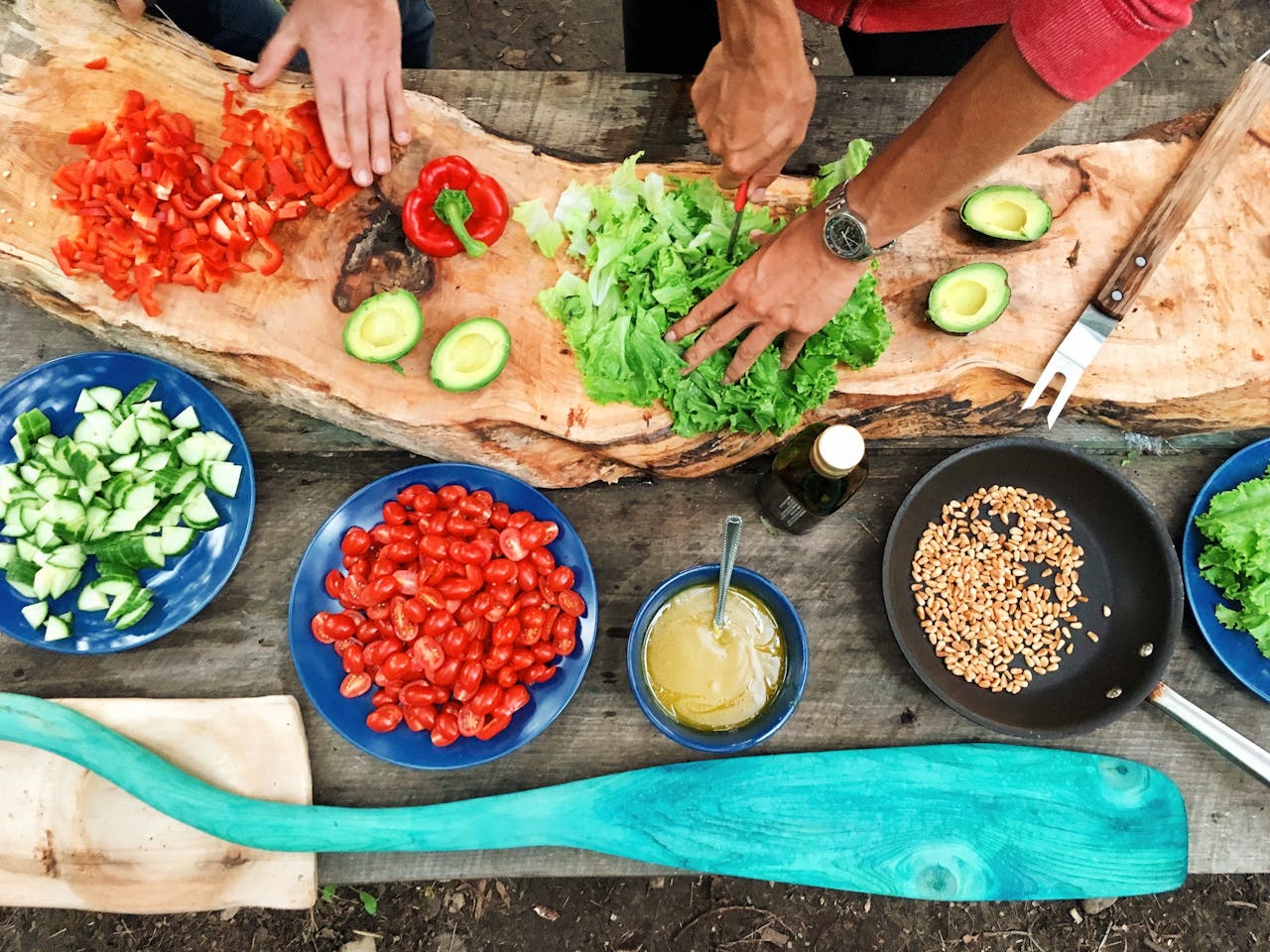
Building a meal plan that supports both weight loss and muscle gain often feels confusing. Many people believe they must choose one goal at a time either lose fat or build muscle. In reality with the right approach you can do both. The key lies in balance consistency and understanding how your body uses food.
A well structured meal plan fuels workouts preserves muscle helps burn fat and keeps energy levels stable throughout the day. It is not about extreme dieting cutting entire food groups or following trends. It is about smart choices that you can maintain long term.
This guide explains how to build a balanced meal plan that supports fat loss and muscle growth in a realistic sustainable way.
Understanding the Dual Goal
Weight loss requires a calorie deficit while muscle gain requires proper fuel and protein. The balance comes from creating a slight calorie deficit while prioritizing nutrient dense foods and strength training.
When your body receives enough protein and resistance training signals it preserves and builds muscle even while losing fat. This process is often called body recomposition and it is achievable for beginners intermediate trainees and even experienced individuals with proper planning.
Set Your Calorie Target the Smart Way
The foundation of any meal plan starts with calories. Instead of aggressive calorie cuts aim for a small deficit.
A moderate calorie deficit allows fat loss without sacrificing muscle. Extremely low calorie diets often lead to muscle loss fatigue and poor workout performance.
Start by estimating your maintenance calories and reduce them slightly. The focus should be on consistency rather than speed. Slow steady progress leads to better long term results.
Prioritize Protein in Every Meal
Protein is the most important nutrient when your goal is weight loss and muscle gain. It supports muscle repair reduces hunger and increases calorie burn through digestion.
Include a protein source in every meal. This keeps blood sugar stable and supports recovery after workouts.
Good protein options include
-
eggs
-
chicken turkey fish
-
Greek yogurt
-
cottage cheese
-
lentils beans tofu
-
whey or plant protein shakes
Spacing protein intake throughout the day is more effective than consuming it all at once.
Choose Carbohydrates That Support Performance
Carbohydrates are not the enemy. They are essential for energy especially if you train regularly. The mistake many people make is choosing refined low quality carbs.
Focus on complex carbohydrates that digest slowly and provide steady energy.
Examples include
-
oats
-
brown rice
-
quinoa
-
whole wheat roti or bread
-
sweet potatoes
-
fruits and vegetables
Timing matters as well. Eating carbs around workouts improves performance and recovery while keeping insulin sensitivity high.
Include Healthy Fats for Hormonal Balance
Healthy fats play a crucial role in hormone production including hormones related to muscle growth and fat loss.
Do not eliminate fats from your diet. Instead choose quality sources in controlled portions.
Healthy fat options include
-
olive oil
-
nuts and seeds
-
avocado
-
fatty fish
-
peanut butter
Fats slow digestion which helps control hunger and keeps meals satisfying.
Build Your Plate the Balanced Way
A simple and effective way to plan meals is using the balanced plate method.
Each main meal should include
-
one portion of lean protein
-
one portion of complex carbohydrates
-
one portion of healthy fats
-
plenty of vegetables
This approach ensures nutrient balance without the need for constant calorie counting.
Meal Timing and Frequency
There is no single perfect meal timing schedule. What matters most is total daily intake and consistency.
However spreading meals evenly throughout the day helps maintain energy and prevents overeating.
A common structure includes
-
breakfast with protein and carbs
-
lunch with balanced macros
-
pre or post workout meal
-
dinner focused on protein and vegetables
Choose a schedule that fits your lifestyle and work routine so it is easy to maintain.
Hydration and Micronutrients Matter
Water plays a major role in fat metabolism digestion and workout performance. Dehydration can slow progress and increase cravings.
Aim to drink water consistently throughout the day especially around workouts.
Micronutrients from fruits vegetables and whole foods support immunity recovery and hormone function. A colorful plate usually means better nutrient coverage.
Smart Snacking Without Ruining Progress
Snacks are not bad when chosen wisely. They can support recovery and prevent overeating later.
Good snack ideas include
-
Greek yogurt with fruit
-
protein shake
-
boiled eggs
-
nuts with fruit
-
cottage cheese
Avoid turning snacks into uncontrolled calorie intake. Keep portions reasonable and protein focused.
Adjusting the Plan Based on Progress
No meal plan should remain static forever. Monitor progress every few weeks.
If strength is increasing and body fat is slowly decreasing you are on the right path. If energy drops or muscle loss occurs increase calories slightly or review protein intake.
Listening to your body is just as important as following numbers.
Common Mistakes to Avoid
Many people unknowingly slow progress by making these mistakes
-
cutting calories too aggressively
-
skipping protein at meals
-
avoiding carbs completely
-
relying on processed diet foods
-
changing plans too frequently
Consistency beats perfection every time.