Reading nutrition labels is one of the most powerful skills for improving health managing weight and making informed food choices. Modern grocery stores are full of packaged products that often appear healthy because of attractive labels but many contain hidden sugars unhealthy fats sodium additives and artificial ingredients. Understanding how to properly read nutrition labels helps you look beyond marketing claims and choose foods that truly support a balanced lifestyle.
Nutrition labels provide detailed information about what is inside the food you are eating including calories nutrients vitamins and ingredients. When you learn to analyze this information you gain control over your diet instead of relying on guesswork. Whether your goal is weight loss muscle building controlling sugar intake or simply improving overall nutrition reading labels accurately can transform the way you eat every day.
Why Learning to Read Nutrition Labels Matters
Many people struggle to understand food choices because they rely on claims such as natural low fat sugar free or high protein written on the front of packages. These phrases can be misleading because they highlight only one aspect of the product while hiding harmful ingredients. For example low fat foods may contain high amounts of sugar and sodium and sugar free products may contain artificial sweeteners that affect appetite and digestion.
Reading nutrition labels eliminates confusion and helps you avoid foods that appear healthy but are not. It also teaches you portion control which is essential for weight and health management. When you understand serving sizes ingredients and nutrient breakdown you are less likely to overeat or consume hidden calories.
Key Sections of a Nutrition Label and How to Understand Them
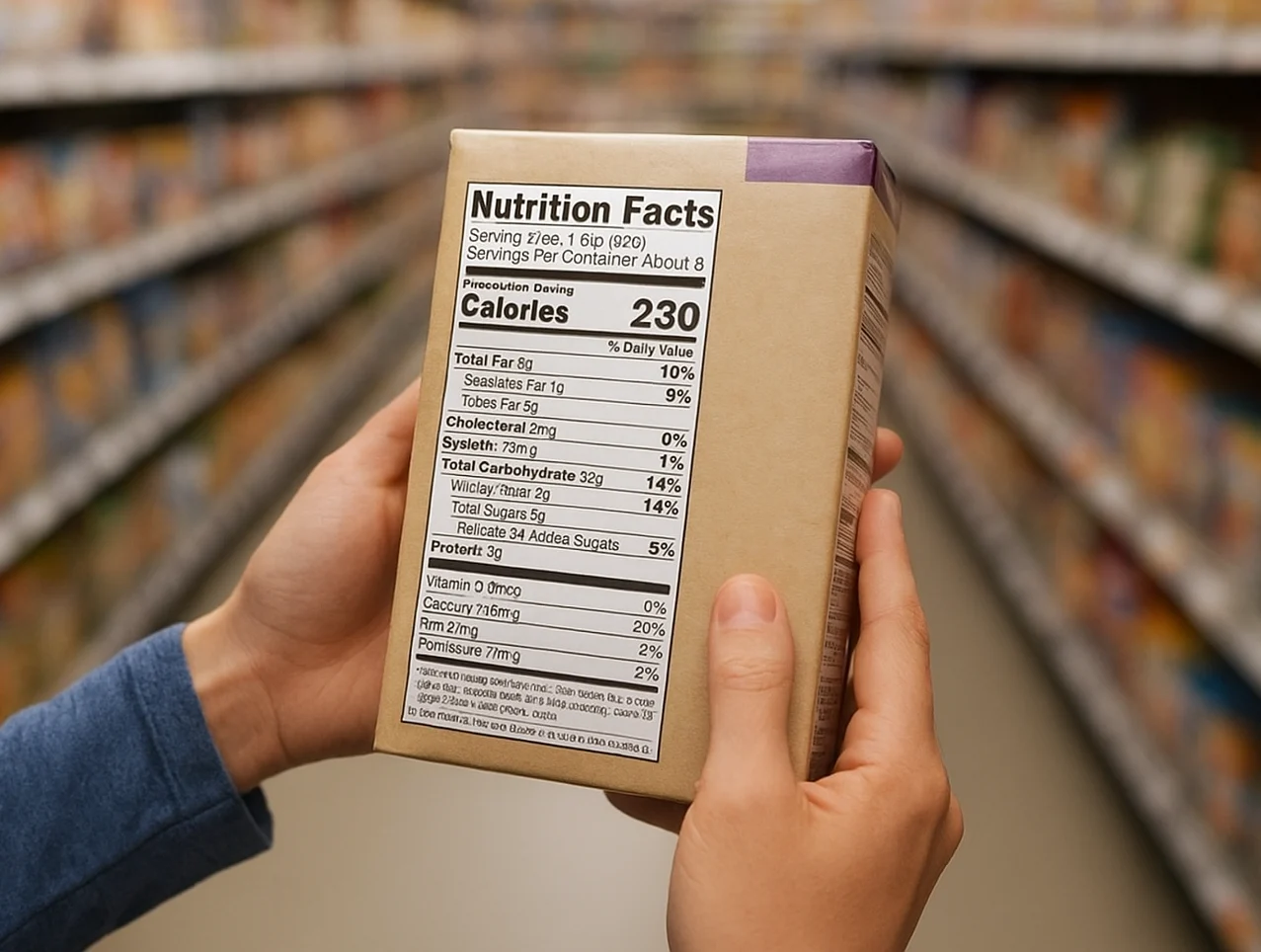
Learning to read nutrition labels becomes easy when you know what to look for. Here are the most important parts and how to interpret them correctly.
Serving Size
Serving size is the first thing you should check because all the numbers on the label are based on this amount. Many packages contain multiple servings even though they appear to be a single portion. If one serving contains 200 calories and the package has two servings eating the whole package means you consume 400 calories.
Always compare serving size to the amount you actually eat. This prevents accidental overeating and helps with calorie tracking.
Total Calories
Calories measure how much energy food provides. Understanding calorie amounts helps you balance intake based on daily needs. Too many calories lead to weight gain while too few affect energy and metabolism. Look for foods that offer a good balance of nutrients per calorie instead of empty calorie products such as sugary drinks pastries and fried snacks.
Macronutrients
Macronutrients include protein carbohydrates and fats. Each plays a unique role in the body and understanding them helps you choose healthier options.
Protein supports muscle strength immunity and recovery. Choose foods with a good amount of protein especially if active or building muscle.
Carbohydrates provide energy but focus on complex carbs such as whole grains vegetables fruits and oats rather than refined carbs.
Fats are essential for brain and hormone health. Choose healthy fats such as olive oil nuts seeds and avocado instead of saturated fats and trans fats.
Check the breakdown beneath total fat. Look for zero trans fat and low saturated fat.
Fiber and Sugar
Fiber is important for digestion hunger control and blood sugar balance. High fiber foods help improve metabolism and prevent overeating. Look for products with higher fiber content especially cereals bread and snacks.
Sugar includes natural and added sugars. Natural sugars found in fruit or milk are acceptable but added sugars like corn syrup fructose and cane sugar have negative health effects. Aim for products with low added sugar. Ingredients listed as syrup sweetener nectar molasses or any word ending in ose indicate added sugar.
Sodium
High sodium intake increases blood pressure and affects heart health. Many packaged foods hide large amounts of sodium even if they do not taste salty. Check sodium levels and try to choose items under moderate daily percentages. Cooking at home with minimal salt is an easy way to lower sodium consumption.
Percent Daily Value
Percent daily value shows how much each nutrient contributes to an average daily diet based on a benchmark of two thousand calories. Use daily values as a guide not a strict rule because individual needs vary. Five percent or less is low and twenty percent or more is high. Choose foods high in calcium fiber iron vitamin D and potassium and low in sugar sodium and unhealthy fats.
Ingredient List
The ingredient list might be the most important part of any food label. Ingredients are listed from largest to smallest amount. If sugar salt or refined flour appear at the top the product may not be healthy even if the front label claims otherwise. Short ingredient lists usually mean less processing. If you see long chemical names artificial flavors colors or preservatives choose a cleaner alternative.
Tips for Reading Nutrition Labels Like a Pro
Always read the serving size first
Compare similar products and choose the option with more fiber and less sugar
Ignore marketing claims on the front and rely on the real facts on the back
Avoid products that list sugar multiple times in different forms
Choose whole food ingredients you recognize and can pronounce
Look for high protein high fiber foods instead of low calorie processed snacks
Check sodium levels especially in canned items sauces and packaged meals
Buy more fresh produce because it does not require labels to prove health benefits
Example Comparison to Practice Label Reading
Imagine choosing between two breakfast cereals. Both say whole grain and high fiber on the front. However by checking the labels you notice differences.
Cereal A contains eight grams of fiber five grams of protein eight grams of sugar and minimal sodium.
Cereal B contains two grams of fiber one gram of protein twelve grams of sugar and high sodium.
Even if Cereal B has a more attractive box Cereal A is clearly the healthier choice. This example shows why label reading matters more than advertising.
Sample Daily Plan Using Smart Nutrition Label Choices
Breakfast
High fiber cereal with almond milk
Apple slices
Green tea
Lunch
Whole grain sandwich with grilled chicken lettuce and hummus
Carrot sticks
Dinner
Brown rice with stir fried vegetables and salmon
Snacks
Greek yogurt mixed nuts fresh berries
This type of plan supports steady energy and balanced nutrition by choosing foods based on real label understanding.
How Better Label Reading Improves Long Term Health
Mastering nutrition labels helps build habits that last a lifetime. You gain awareness of what you put into your body and learn to choose foods that support your goals. Over time your energy levels improve cravings reduce weight becomes easier to manage and digestion becomes healthier. Reading labels becomes automatic and empowers you to shop with confidence avoiding hidden unhealthy ingredients and marketing tricks.
Educating yourself and making small changes gradually leads to meaningful transformation and a lifestyle that supports wellness instead of harming it.