
Progress only becomes visible when it is measured the right way. Many people train daily but still feel stuck because they rely only on the weighing scale. The truth is that fitness improvement shows in multiple forms strength stamina energy mood and habits. When you track the right indicators you stay motivated and avoid quitting too early.
Why tracking progress matters
Every workout teaches something. When progress is tracked consistently it becomes easier to understand what is helping and what needs adjusting. Seeing improvement builds confidence. Even small wins like one extra push up or a few seconds longer plank create momentum. Without tracking many improvements go unnoticed which makes results feel slow and discouraging.
What to track beyond body weight
Weight is only one piece of the story. It changes daily based on water salt hormones and sleep. Focus instead on long term trends and combine multiple progress markers such as:
Strength levels
How much weight you lift how many reps achieved how long you can hold bodyweight exercises and how easy movements feel. Increasing strength means consistent progression even if weight does not change yet.
Body measurements
Measure waist hips chest arms and thighs every two weeks. Tape measurements show fat loss and muscle gain more accurately than scales.
Progress photos
Take pictures under the same lighting angle and time of day weekly or bi weekly. Photos reveal changes the mirror misses.
Stamina and recovery
Track run time cycling speed skip rope count or shuttle run performance. Also observe how quickly your heartbeat returns to normal after intense effort. Faster recovery means improved fitness.
Energy level and sleep
Strong fitness progress appears in clearer mind better mood deeper sleep and more stable energy. Write short notes daily.
Clothing fit
Clothes becoming looser or more comfortable is often the first physical change before weight loss is visible.
Simple methods to track consistently
Overcomplicated systems make tracking difficult. Keep it simple and regular:
Weekly plan to record
-
Weight once a week after waking
-
Body measurements every two weeks
-
Strength numbers during workouts
-
Endurance times each weekend
-
Progress photos every two weeks
-
Short notes about mood and energy
Avoid checking weight every day because daily fluctuations can mess with motivation.
Use a dedicated notebook or a notes app. Create one section for goals one for tracking lifts and one for weekly reflections.
Fitness apps and smart tools that help
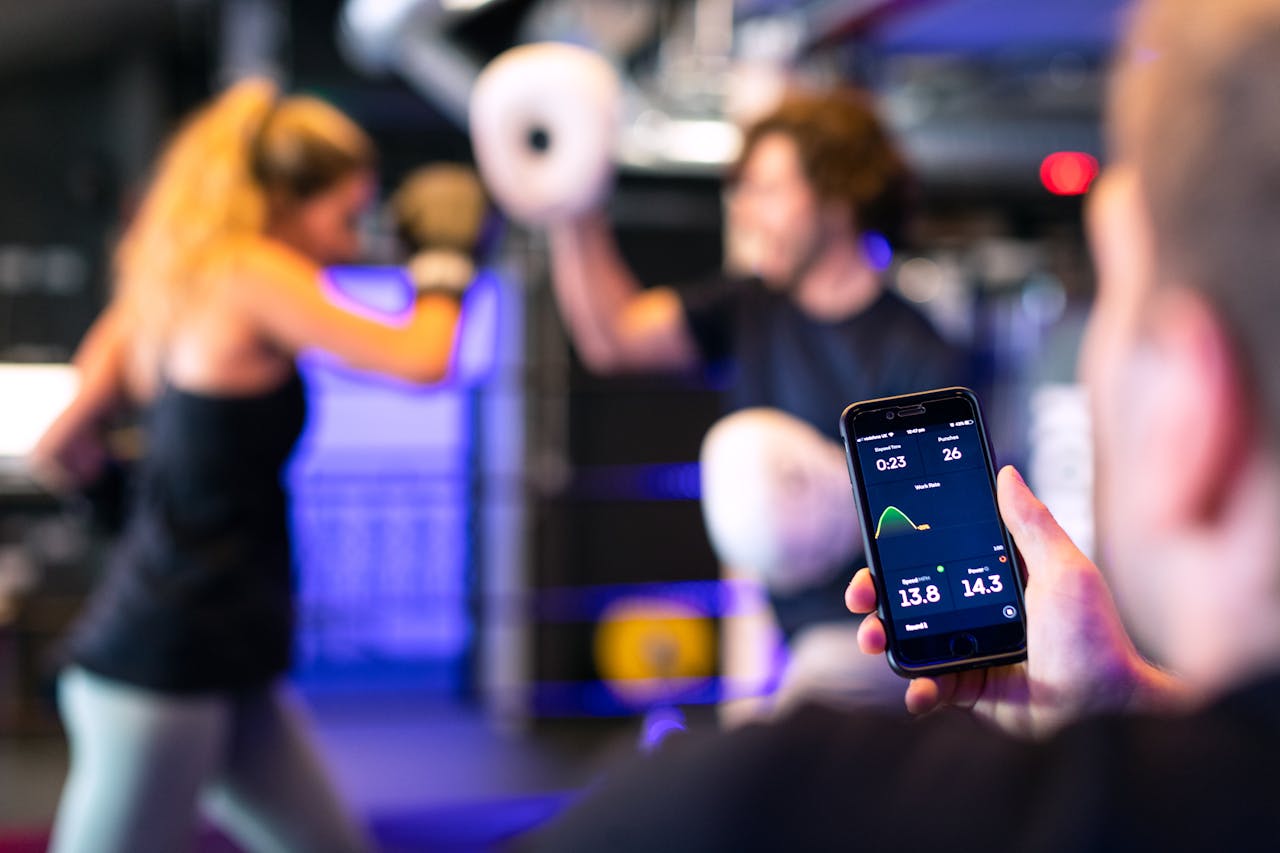
If digital tracking works better than writing use simple apps like Google Fit Apple Health or a workout tracking app. Smartwatches are helpful for heart rate and step goals. Avoid overtracking because too many numbers can distract from actual training.
The best tool is the one you enjoy using regularly.
Setting goals that support tracking
Clear focused goals make progress measurable. Instead of saying lose weight choose something specific like run three kilometers without stopping or do ten push ups or reduce waist size by three centimeters. When goals are specific the brain knows what success looks like and tracking becomes rewarding.
Create mini goals for every two to three weeks. Short term wins maintain motivation during long journeys.
When progress feels slow
Every body changes at its own pace. If the scale stops moving but strength increases and clothes fit better that is real progress. Slow changes are sustainable and stay longer. Rapid changes happen quickly but also disappear quickly.
Look at trends over months not days. Fitness is a lifestyle not a race.
Example weekly review to use
-
What improved this week
-
What was difficult
-
One thing to adjust for next week
-
One achievement I am proud of
Small reflections create big improvements.
Common tracking mistakes to avoid
-
Depending only on body weight
-
Changing routines too frequently before results appear
-
Expecting progress without consistency
-
Comparing results with others
-
Trying too many methods at once
-
Ignoring recovery hydration and sleep
Simple persistent actions outperform perfect complicated plans.
Turning tracking into a habit
Attach tracking to something you already do daily. For example track after brushing teeth or after finishing a workout. The more automatic the habit becomes the easier progress feels. Celebrate small victories and stay patient.